How Robotic Welding Can Streamline Your Next Manufacturing Project
Robotic welding has changed how manufacturers approach volume, consistency, and production speed. By using programmed robotic systems to complete repeat welds, companies can reduce variation, increase output, and keep projects moving with fewer interruptions.
For a wire manufacturer, these systems can support large runs of racks, frames, guards, baskets, and welded assemblies. Robotic welding also works well alongside services such as custom metal fabrication and laser manufacturing, creating a more connected production process from raw material to finished component.
This article explains how robotic welding works, where it provides the most value, and what to look for in a wire manufacturing company that can support your next project.
What We’ll Cover:
- An introduction to robotic welding
- The main benefits of automated welding
- How robotic welding supports wire and metal products
- How to find the best robotic welding company in your area
- Key takeaways
What Is Robotic Welding?
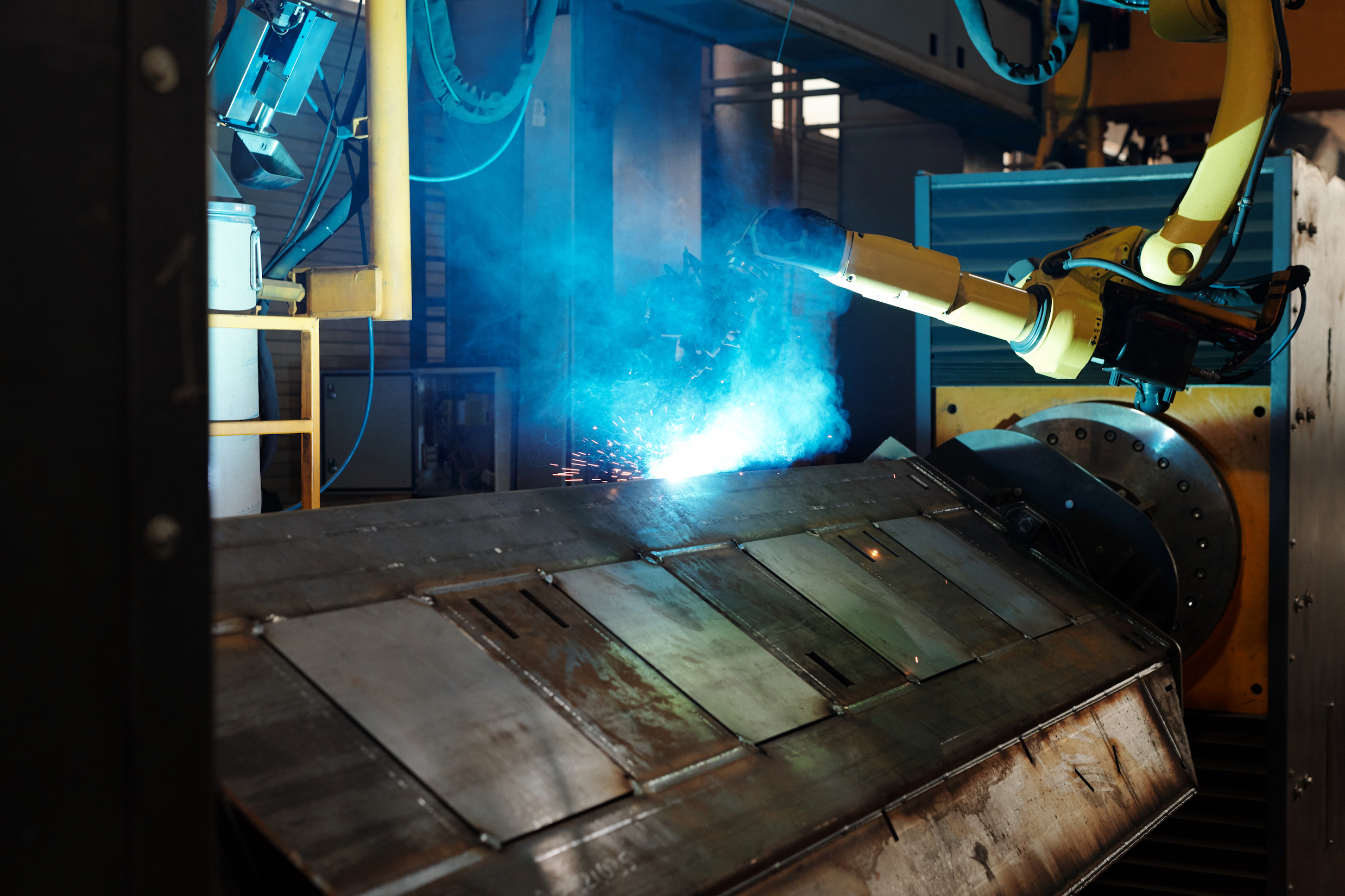
Robotic welding uses programmed equipment to complete welds with repeatable movements, timing, and positioning. Once the part, fixture, and weld path are set, the system can perform the same operation across a full production run.
This makes robotic welding a strong fit for wire manufacturing, where products often require several consistent joints. Frames, racks, guards, baskets, shelves, and other assemblies depend on weld placement that stays aligned from one part to the next.
Robotic welding also supports projects that combine formed wire with sheet metal components. A shop may use laser manufacturing to cut brackets, panels, tabs, or mounting plates before joining them to wire frames through automated welding.
For a wire manufacturer, this process provides a practical way to improve production speed while keeping dimensions and weld locations consistent. It also reduces the amount of manual handling needed for repetitive work.
The Benefits of Automated Welding
Robotic welding can improve several parts of the production process, from output and quality to material use and worker safety.
Increased Production Efficiency
Robotic systems can complete repeated welds without the stops that come with fully manual production. Once the equipment is programmed and the fixtures are in place, parts can move through the welding stage at a steady pace.
This is useful for large orders and repeat programs where each assembly needs to match the approved design. A wire manufacturing company can use robotic welding to support high-volume production while keeping lead times more predictable.
It can also improve the flow between departments. Parts created through custom metal fabrication, wire forming, and laser cutting can move into welding with fewer delays when the full process is handled under one roof.
Better Repeatability
Consistency matters in any production program. A weld that shifts, changes size, or sits at the wrong angle can affect fit, appearance, and final assembly.
Robotic welding follows programmed instructions for each cycle. This helps maintain the same weld placement and motion across a large number of parts. In wire manufacturing, repeatability is especially valuable for products with several contact points, shelves, crossbars, or brackets.
A dependable wire manufacturer can use fixtures and automated systems to hold each component in position before welding begins. This supports steady dimensions and reduces variation between finished assemblies.
Improved Worker Safety
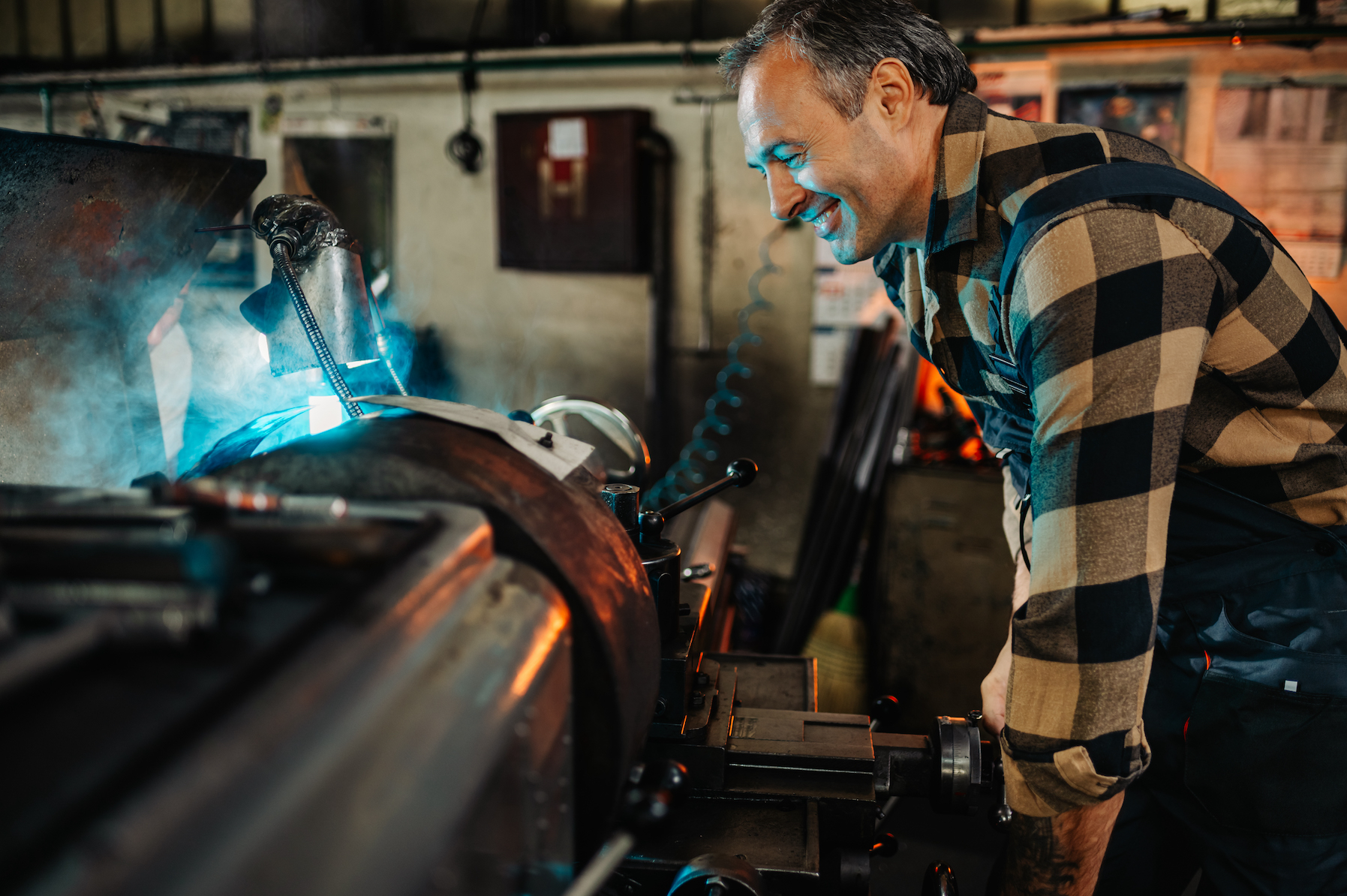
Welding can expose workers to heat, sparks, fumes, and repetitive movement. Robotic systems reduce the need for operators to complete every weld by hand.
Employees still play a key role in setup, programming, inspection, maintenance, and material handling. However, automation can limit direct exposure during long production runs and repetitive welding cycles.
This helps manufacturers place skilled employees in roles that require judgment, troubleshooting, and quality control while the robotic system handles repeated motions.
Less Material Waste
Production errors often lead to scrapped parts, added labor, and wasted material. If weld placement varies or too much material is used, assemblies may need repairs or full replacement.
Robotic welding can help reduce these issues by controlling weld paths and material use. When paired with laser manufacturing, manufacturers can also produce cleaner blanks and more consistent brackets before welding starts.
This combination supports more efficient material use across both wire and sheet metal components. It also reduces rework that can slow production and increase costs.
Lower Long-Term Production Costs
Robotic welding requires equipment, programming, fixtures, and maintenance. For high-volume or repeat projects, those investments can lead to lower production costs over time.
Automation can reduce labor spent on repeated welds, shorten cycle times, and limit rework. It can also help a wire manufacturing company produce more parts within the same available floor space.
Customers benefit because they can outsource the work instead of purchasing equipment, training new operators, and creating an automated welding program inside their own facility.
How Robotic Welding Supports Wire and Metal Products
Robotic welding can support products made from formed wire, tubing, sheet metal, or a combination of materials. Common applications include:
- Wire baskets and shelving
- Machine guards and frames
- Display racks and retail fixtures
- Food storage racks
- Medical carts and trays
- Cable guides and troughs
- Automotive weldments
- Material handling equipment
Many of these products require more than welding alone. Custom metal fabrication may be needed to produce brackets, mounting plates, covers, or frames. Wire forming creates the main structure, while robotic welding joins the components into a finished assembly.
A wire manufacturer with several in-house services can manage these production steps without sending parts between several outside vendors. This can simplify scheduling, reduce handling, and make quality checks easier to manage.
How Different Industries Use Robotic Welding
Robotic welding supports industries that need repeat parts, consistent assemblies, and dependable production volume.
Automotive Manufacturing
Automotive manufacturers use welded components for mounting hardware, cable guides, screens, hinges, frames, and electrical weldments. Robotic welding helps maintain consistent joint placement across repeated parts.
Industrial Manufacturing and OEMs
OEMs rely on welded wire and metal components such as machine guards, paint hooks, handles, mounts, guides, levers, and swing arms. Custom metal fabrication and robotic welding allow these parts to meet specific product and assembly needs.
Metal Processing
Some metal industries use robotic welding to lower expenses, optimize time, and improve welding quality.
Agriculture
Automated welding is being adopted in agriculture to fabricate parts for trailers and components for large machinery.
How to Find the Best Robotic Welding Company in Your Area
If you are seeking custom welding services, it is crucial to review all potential providers in your vicinity carefully. Doing proper research will pay off by helping you find the best company for you and making your experience worthwhile.
Before making any decisions, check the company’s online presence. Look into their services, certifications, and experience. Established businesses with a proven track record of success are eminent for providing exceptional services. It is also advisable to choose companies that use cutting-edge tools and software. High-end equipment like material handling carts leads to greater efficiency and higher-quality results.
Do not rush through the process. Take your time to evaluate the choices available. Due diligence ensures you get the best work from your professional welding company.
Key Takeaways
Investing in robotic welding technology proves to be an incredibly beneficial decision when it comes to simplifying any manufacturing project. This state-of-the-art technology offers multiple advantages, such as improved productivity, minimized costs, and increased safety standards.
Robotic welding offers more precise results than manual welding processes and can work on parts that would otherwise be too difficult to access.